
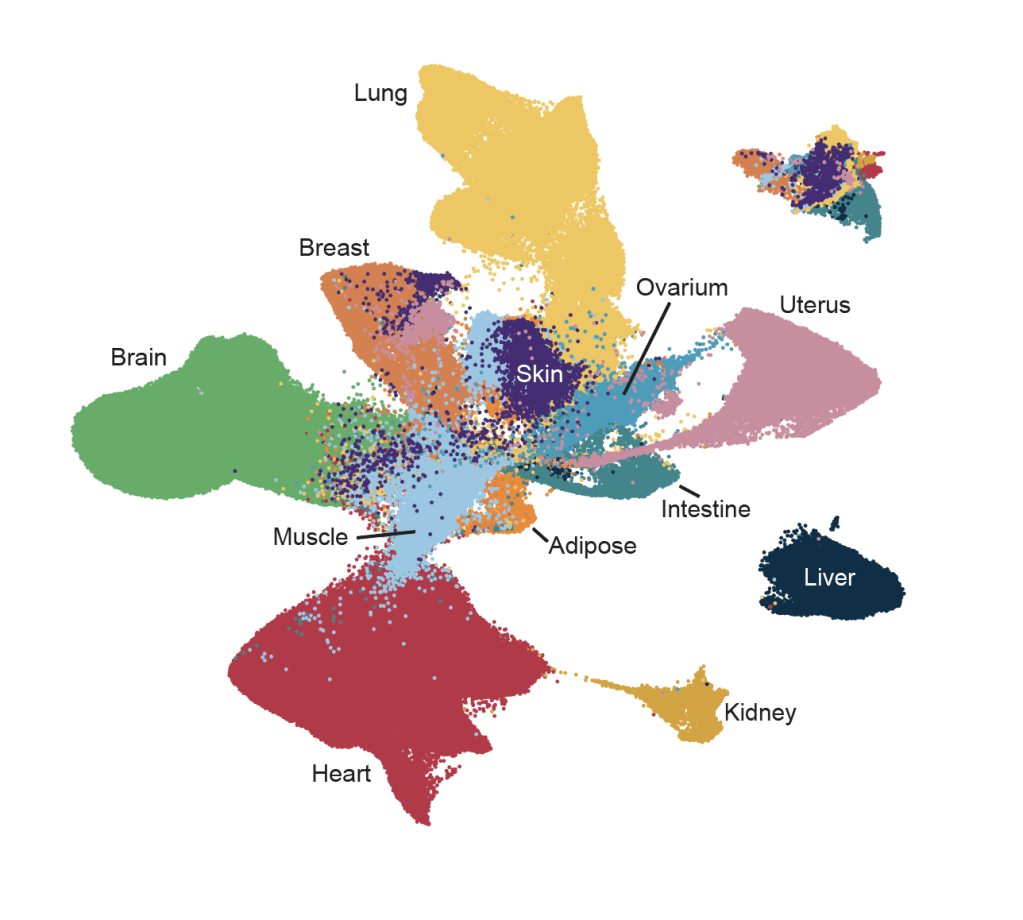
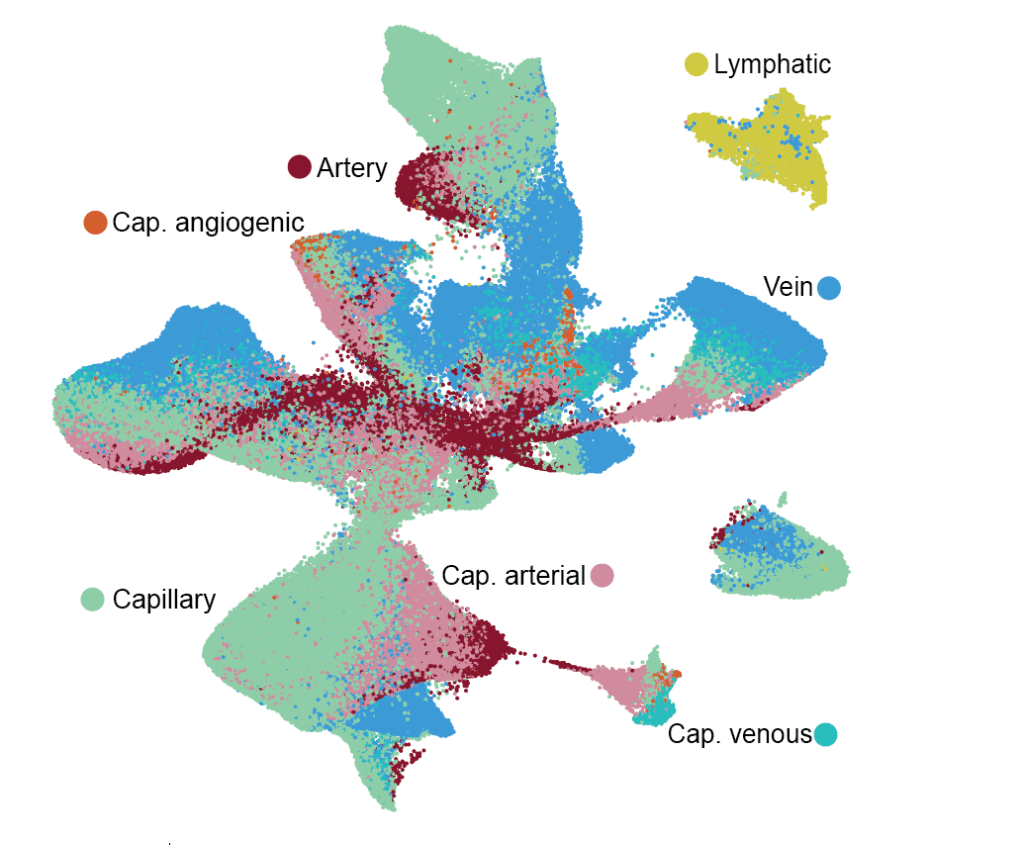
Studying the gene expression landscape of the endothelium, one cell at a time: Utilizing advanced single-cell RNA sequencing technologies, our lab is dedicated to mapping the diverse landscape of endothelial cell heterogeneity across various organs, tissues, physiological conditions, and throughout the aging process. Through this comprehensive approach, we seek to deeply characterize and chart vascular niches in different tissue and pathology contexts, and to uncover novel genes and molecular pathways linked to aging, senescence, and disease. These discoveries will serve as the foundation for deeper investigations into cellular function, which we will rigorously examine using a range of cutting-edge in vitro models. Ultimately, our research aims to provide new insights into endothelial biology and its role in health, aging and disease.
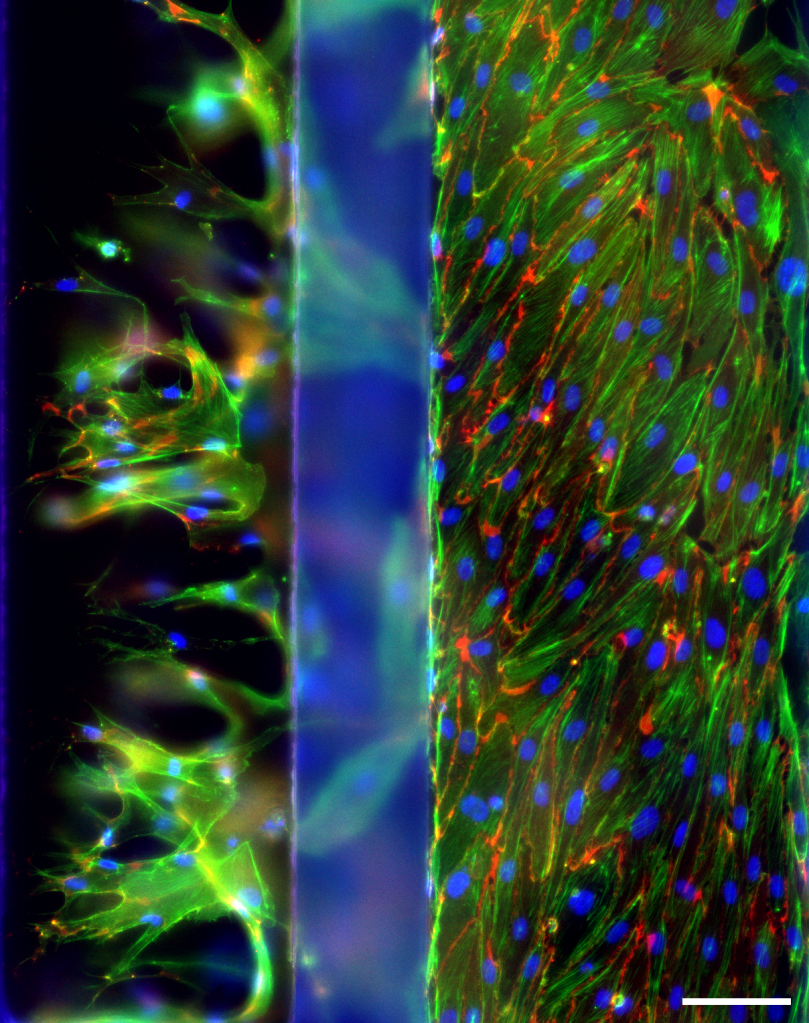
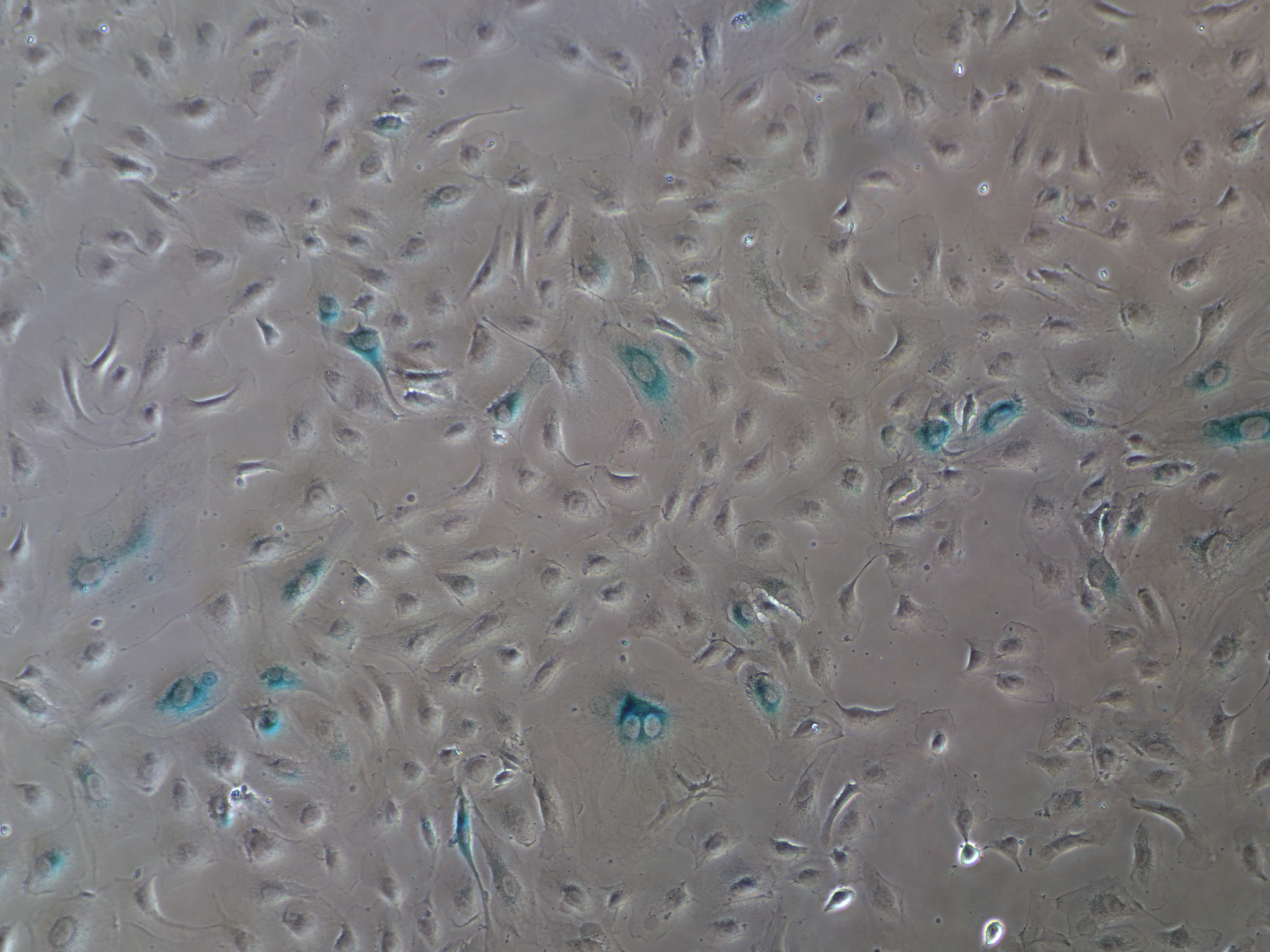
Characterization and perturbation of ECs in vitro: Our lab utilizes both human umbilical vein endothelial cells (HUVECs) and endothelial cells derived from human induced pluripotent stem cells (iPSCs) to investigate the biology and aging charcteristics of the endothelium. For iPSC-derived endothelial cells (iECs), we employ a variety of innovative approaches, such as the application of growth factor cocktails and transcription factor induction, to generate endothelial cells that more closely mimic the characteristics of the endothelium in specific human organs and tissues. These tailored iECs, along with standard endothelial cultures, are further refined through the use of advanced 3D culture systems, including vessel-on-chip setups. By recreating the natural environment, we are able to expose these cells to tissue-specific signals, including co-culture with other cell types and extracellular matrix cues, to drive their differentiation and functional specialization. We apply a range of cutting-edge gene-editing technologies, such as transcription factor activation screening, to perturb gene expression and dissect the molecular mechanisms that underpin phenotypes of endothelial pathology and aging. This multifaceted approach enables us to gain deeper insights into endothelial function, disease progression, and aging at a cellular level.
 derooijlab.org